
The Forecasting Gap: Why "Last Year" Isn't Good Enough
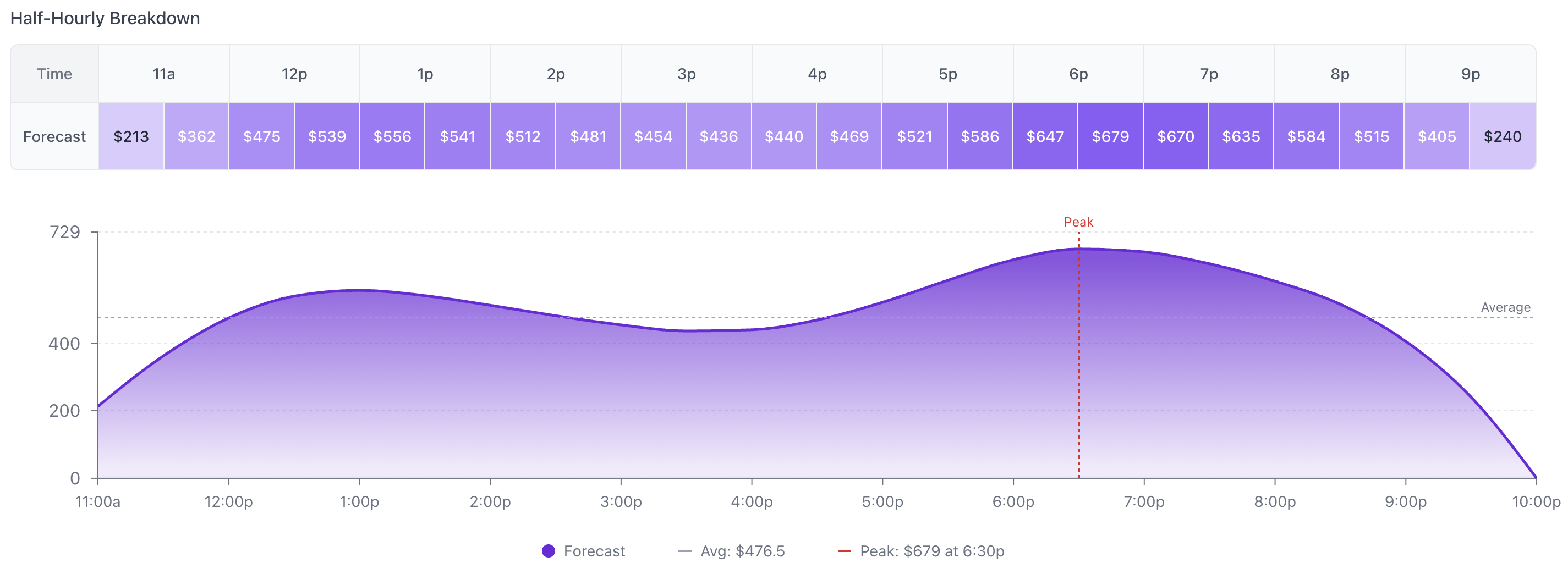
Many operators still staff shifts based on "what last year looked like" or "what last month looked like". But weather, local events, and changing demand patterns can swing sales dramatically. Accurate forecasting is the foundation of effective labor planning.
The Problem with Historical-Only Planning
Walk into most restaurant offices during scheduling time, and you'll see managers pulling up last year's sales data, maybe adjusting for a holiday or two, and calling it good. This approach, while comfortable and familiar, leaves massive blind spots that can derail even the best-intentioned labor plans.
Historical data provides a baseline, but it's just that: a starting point. When operators rely solely on "what last year looked like," they're essentially driving while looking only in the rearview mirror.
The Variables That Break Historical Models
Restaurant demand isn't as predictable as many operators assume. Several key variables can swing sales dramatically from week to week, making last year's data an unreliable guide for this year's staffing needs.
Weather Impact
A rainy Tuesday can cut foot traffic by 30%, while an unexpectedly sunny weekend can drive demand 40% above normal. Weather patterns change year over year, making historical comparisons less reliable.
Local Events
Concerts, sports games, festivals, and construction projects all influence traffic patterns. These events rarely happen on the same dates year over year, creating scheduling mismatches when relying on historical data alone.
Changing Demand Patterns
Consumer behavior evolves constantly. The rise of remote work shifted lunch patterns, delivery apps changed dinner timing, and economic conditions alter spending habits. Last year's trends may not apply to this year's reality.
Competitive Landscape
New restaurants opening nearby, competitors closing, or changes in local business hours all affect your traffic patterns in ways that historical data can't predict.
The Cost of Forecasting Gaps
When forecasting falls short, the financial impact hits from multiple directions:
Overstaffing During Slow Periods
Scheduling for last year's busy Tuesday when this year's Tuesday is affected by road construction leads to paying staff to stand around. Labor costs spike while revenue disappoints.
Understaffing During Unexpected Surges
When demand exceeds expectations, understaffed restaurants turn away customers, deliver poor service, and miss revenue opportunities. The cost isn't just lost sales, it's damaged reputation.
Management Stress and Reactive Scheduling
Poor forecasting forces managers into constant firefighting mode, calling in staff last-minute or sending people home early. This reactive approach stresses both management and staff while increasing labor costs.
Modern Forecasting: Beyond Historical Data
Effective forecasting in today's restaurant environment requires a more sophisticated approach that combines historical data with real-time variables and predictive analytics.
The Multi-Variable Approach
Modern forecasting systems analyze dozens of variables simultaneously: historical sales, weather forecasts, local events, economic indicators, and seasonal trends to create more accurate demand predictions.
Weather Integration
Pull real-time weather forecasts to adjust staffing for rain, snow, extreme heat, or perfect outdoor dining conditions.
Event Calendar Monitoring
Track local sports schedules, concerts, festivals, and business events that drive traffic to your area.
Trend Analysis
Identify shifting patterns in customer behavior, seasonal changes, and economic influences on dining habits.
Machine Learning Algorithms
Use AI to identify patterns humans might miss and continuously improve forecast accuracy based on actual results.
The Benefits of Accurate Forecasting
When restaurants tie their schedules to more accurate forecasting, the improvements are both immediate and sustained:
- Fewer Wasted Hours. Accurate demand predictions eliminate the guesswork that leads to overstaffing, reducing labor costs by 2 - 4% in most operations.
- Better Coverage During Demand Spikes. Anticipating busy periods allows for proper staffing that maintains service quality and captures maximum revenue.
- More Predictable Margins. When labor costs align more closely with actual demand, profit margins become more consistent and predictable.
- Improved Employee Satisfaction. Better forecasting leads to more stable schedules, reducing last-minute changes that frustrate staff.
- Enhanced Guest Experience. Proper staffing levels during peak times mean shorter waits, better service, and higher customer satisfaction.
Real-World Forecasting Scenarios
Consider how modern forecasting would handle these common situations differently than historical-only planning:
Scenario: Rainy Friday Night
Historical approach: Schedule based on recent Friday night averages
Modern forecasting: Weather data shows 80% chance of heavy rain. Reduce front-of-house staff by 25%, increase delivery drivers, and prepare for channel mix shift toward take-out
Scenario: Local Stadium Game Day
Historical approach: Use last Tuesday's staffing levels since games weren't tracked
Modern forecasting: Event calendar shows 50,000-person game ending at 9 PM near your location. Increase evening staff by 40% and prepare for post-game rush
Scenario: Economic Downturn Impact
Historical approach: Continue staffing based on pre-downturn patterns
Modern forecasting: Trend analysis shows 15% decline in average ticket size and shift toward value items. Adjust staffing mix and preparation levels accordingly
Implementing Better Forecasting
Restaurants don't need to build complex forecasting systems from scratch. Modern scheduling platforms like Rightwork integrate multiple data sources to provide accurate, actionable demand forecasts.
Getting Started
Begin by identifying the top 3 - 5 variables that most affect your business: weather, local events, day of week, season, and economic factors. Even basic integration of these elements will improve forecast accuracy significantly.
The goal isn't perfect prediction, it's better prediction. Even a 10-15% improvement in forecast accuracy can translate to substantial labor savings and service improvements.
Measuring Forecasting Success
Track these key metrics to evaluate and improve your forecasting accuracy:
- Forecast Accuracy Percentage. Track how close your predictions come to actual sales, aiming for 85%+ accuracy within 10% variance.
- Labor Variance. Measure the difference between scheduled and optimal labor hours, with a goal of reducing variance by 20-30%.
- Service Quality Metrics. Monitor customer satisfaction and wait times to ensure accurate staffing maintains service standards.
Conclusion: Forecasting as Competitive Advantage
In an industry where margins are thin and competition is fierce, accurate forecasting represents a significant competitive advantage. Restaurants that move beyond "what last year looked like" to embrace modern, multi-variable forecasting consistently outperform their historically-focused competitors.
The investment in better forecasting, whether through technology, training, or process improvements, pays dividends in reduced labor costs, improved service quality, and more predictable financial performance.
Ready to close the forecasting gap?
Forecasting isn't just a finance tool, it's the foundation of effective labor planning and the key to consistent profitability.